
Buy Rifle, Handgun, and Shotgun Ammunition Online in Bulk
When your accuracy falters 7.62x54R Ammo for Sale or your firearm fails to cycle reliably, the root cause is often inconsistent or outdated cartridges. Ammunition for sale in this selection provides precisely engineered rounds that deliver consistent pressure curves and reliable ignition shot after shot. Each bullet is matched to its powder charge and primer for optimal ballistic performance, giving you the confidence to place every round exactly where you intend. With factory-new, quality-assured cartridges, you eliminate misfires and feed issues, ensuring your shooting sessions remain productive and predictable.
What Types of Cartridges Are Actually Available Right Now?
Right now, the ammunition market is flush with the classic workhorses: .223 Remington, 9mm Luger, and 12-gauge shells dominate store shelves in bulk, from plinking loads to defensive hollow points. For hunters, you’ll find .30-06 Springfield, .308 Winchester, and 6.5 Creedmoor readily stacked, alongside magnum revolver rounds like .357 Magnum and .44 Magnum. Precision shooters can grab 6mm GT and .300 PRC, while rimfire fans have endless .22 LR and .22 WMR bricks. Obscure calibers like .25-06 or .450 Bushmaster pop up more sporadically, often in seasonal lots.
Your best bet is to check online retailers first—they list live stock by the hour, and same-day pickup at big-box stores rarely Ammo Cans & Storage for Sale reflects what’s truly on the rack.
Basically, if it’s a common caliber, you can buy it today; niche rounds require patience or a backorder.
Pistol Rounds vs. Rifle Loads: Key Differences That Affect Your Purchase
When comparing pistol rounds vs. rifle loads, your purchase hinges on case capacity and pressure curves, not just gun size. Pistol cartridges like 9mm or .45 .17 WSM Ammo for Sale ACP operate at lower pressures and use straight-walled cases for reliable feeding in semi-autos, making them compact and cost-effective for defensive or range use. Rifle loads—such as .223 Rem or .308 Win—are bottlenecked, allowing higher powder charges for dramatically better velocity, energy, and flat trajectory beyond 100 yards. For your wallet, pistol ammo is typically cheaper per round, but rifle loads demand a higher price for terminal performance. Choose pistol for close-quarters carry and volume practice; choose rifle for hunting, precision, or long-range steel. Mismatching them to your platform is both wasteful and unsafe.
- Pressure difference: pistol rounds average 35,000 PSI; rifle rounds often 7.62×51 Ammo for Sale exceed 55,000 PSI, affecting brass life and bolt design.
- Projectile speed: rifle bullets exit at 2,500–3,000 fps vs. 5.56 Ammo for Sale pistol’s 800–1,200 fps, altering expansion and drop.
- Bulk weight: a box of 50 rifle rounds weighs roughly triple a pistol box, impacting shipping and storage costs.
Shotshell Gauges and Specialty Rounds You Might Not Know About
Beyond the ubiquitous 12 and 20 gauge, .17 HMR Ammo for Sale specialty shotshell gauges like the 16, 28, and .410 offer distinct handling and pattern characteristics, though their availability for sale often requires checking dedicated distributors. For niche applications, you’ll find uncommon loads such as the 3-inch 2.75-inch “short magnum” or the 9mm Flobert rimfire shotshell for pest control. Consider specialty rounds like the Aguila MiniShell (for increased magazine capacity) or brass-cased bismuth rounds for vintage Damascus barrels. When purchasing, follow this practical sequence:
- Identify your firearm’s chamber length (e.g., 3.5-inch) to match the shell.
- Select 5.7x28mm Ammo for Sale shot material (lead, steel, tungsten) based on your target and firing environment.
- Confirm the payload’s velocity rating ensures reliable cycling in semi-automatics.
How to Match the Right Bullet Grain Weight to Your Shooting Goal
When you’re browsing ammunition for sale, the grain weight on the box is your fastest dial for matching performance to purpose. For paper punching or casual plinking, a lighter bullet—say 55 grains in .223 or 115 in 9mm—gives you flatter trajectories and softer recoil, perfect for fast follow-up shots. But if your goal is hunting or long-range steel, step up to heavier grains like 62-grain .223 or 147-grain 9mm; their higher ballistic coefficients buck wind better and retain energy downrange. Check your barrel’s twist rate before buying, because it dictates which weight stabilizes best.
The sweet spot is always where accuracy meets your specific distance and target—so buy a box of each weight you’re considering, test at your range, and let your groups decide.
That practical trial beats any guesswork when picking from the shelf.
Lightweight vs. Heavy Projectiles: Recoil, Trajectory, and Stopping Power
Choosing between lightweight and heavy projectiles hinges on your terminal goal. Lighter grains produce sharper recoil impulses but flatter trajectories, making them ideal for rapid target engagement. Heavier grains generate a deeper, more manageable push and retain energy better, offering superior stopping power at extended ranges. For self-defense, a heavier bullet’s superior penetration is critical, while varmint hunters prefer light, explosive loads. Remember that bullet drop is more pronounced with heavier slugs, requiring deliberate holdover. If you prioritize fast follow-up shots, choose light; if you prioritize impact authority, choose heavy.
| Aspect | Lightweight | Heavy |
|---|---|---|
| Recoil | Sharp, snappy | Smooth, pushing |
| Trajectory | Flat, minimal drop | Arcing, more drop |
| Stopping Power | Shallow penetration | Deep, reliable expansion |
Full Metal Jacket vs. Hollow Point: When Each One Performs Best
Choosing between full metal jacket (FMJ) and hollow point rounds hinges entirely on your immediate objective. FMJ’s hardened lead core, fully encased in copper, delivers deep, barrier-piercing penetration and flawless feeding, making it the 7.62×39 Ammo for Sale best ammunition for sale when you need affordable, high-volume target practice or training drills. Conversely, hollow points expand violently upon impact, dumping energy into soft tissue while minimizing over-penetration, which makes them superior for personal defense or hunting. If you are punching paper or running competition stages, FMJ performs best; for stopping a threat decisively without risking bystanders downrange, the hollow point’s expansion is unbeatable.

What Does a Box of Cartridges Actually Cost Per Round?
The real cost per round in a box of cartridges depends on caliber, brand, and purchase quantity, not the sticker price alone. For ammunition for sale, a 50-round box of 9mm might list at $15, but that’s $0.30 per round—whereas buying a 1,000-round case often drops it to $0.22 per round, making bulk the smarter move. Rimfire .22 LR can run $0.08 per round, while premium defensive loads like .45 ACP can hit $0.60 each. You’re paying for brass, primer, powder, and projectile, plus packaging—so cheap boxes often mean lighter loads or less reliable primers. Always divide the box price by the exact round count to compare apples to apples. Q: Is a $20 box of 20 rounds worse than a $40 box of 50? A: Yes—that’s $1.00 versus $0.80 per round. For ammunition for sale, focus on per-round cost after tax and shipping, not the box total, because that’s what actually hits your wallet at the range.
Budget-Friendly Practice Ammo vs. Premium Defensive Loads
When comparing budget-friendly practice ammo vs. premium defensive loads, the per-round cost difference is stark: inexpensive FMJ range rounds often run $0.20–$0.35 each, while premium JHP defensive cartridges can hit $1.00–$1.50 per round. For practice, prioritize price and reliability—cheap ammo lets you build trigger time without burning cash. However, your carry or home-defense magazine deserves premium loads with proven expansion, consistent primers, and quality-control checks; these costs reflect terminal performance, not just brand markup. Skimping on defensive rounds risks malfunctions under stress. Rotate practice stock to verify your gun cycles your chosen carry load reliably. Q: Is it safe to practice only with budget ammo and carry premium rounds? A: Yes, provided you fire at least 50–100 premium rounds through your firearm to confirm feeding, extraction, and point-of-impact alignment—then practice with budget FMJ that closely matches the defensive load’s bullet weight and velocity.
How Bulk Buying Cans and Value Packs Lower Your Price Per Shot
Buying bulk cans or value packs directly attacks the price per round because manufacturers slash per-unit costs when you purchase larger quantities. A box of 20 might run you $1.50 per shot, but a 100-round value pack often drops that to $1.10, and a 500-round bulk can frequently lands near $0.90 per round. The savings come from reduced packaging, streamlined logistics, and higher volume discounts passed straight to you. Your price per shot plummets with every tier of bulk ammunition you choose, so the math favors stocking up strategically. Even a modest jump from 50 to 200 rounds can shave enough off each cartridge to fund a future range trip. Compare common calibers below to see the spread.
| Pack Size | Typical Price Per Round | Savings vs. 20-Round Box |
|---|---|---|
| 20-round box | $1.50 | — |
| 100-round value pack | $1.10 | ~27% |
| 500-round bulk can | $0.90 | ~40% |
How to Identify Reliable Packaging and Fresh Manufacturing Dates
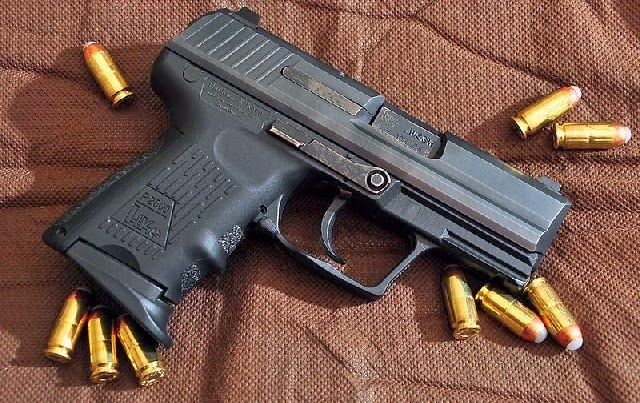
When scanning ammunition for sale, reliable packaging starts with tight, intact crimps and sealed primer pockets—loose bullets or corroded cases scream old stock. Check the box’s printed manufacturing date, usually a four-digit lot code like “3324” meaning week 33 of 2024, not a confusing Julian date. Fresh ammo shows clean, unoxidized brass with no green or white residue on the case mouth, and the cardboard or polymer tray should feel rigid, not flimsy or water-stained. Trust brands that laser-etch lot numbers on both the box and each headstamp—mismatched codes indicate repackaged or mixed batches. Always shake the box: a dull rattle means loose primers or under-resized cases, pointing to poor QC or age. If the date is missing or smudged, walk away—knowing your ammo’s born-on date beats guessing its shelf life.
Reading Headstamps and Lot Numbers to Avoid Old Stock
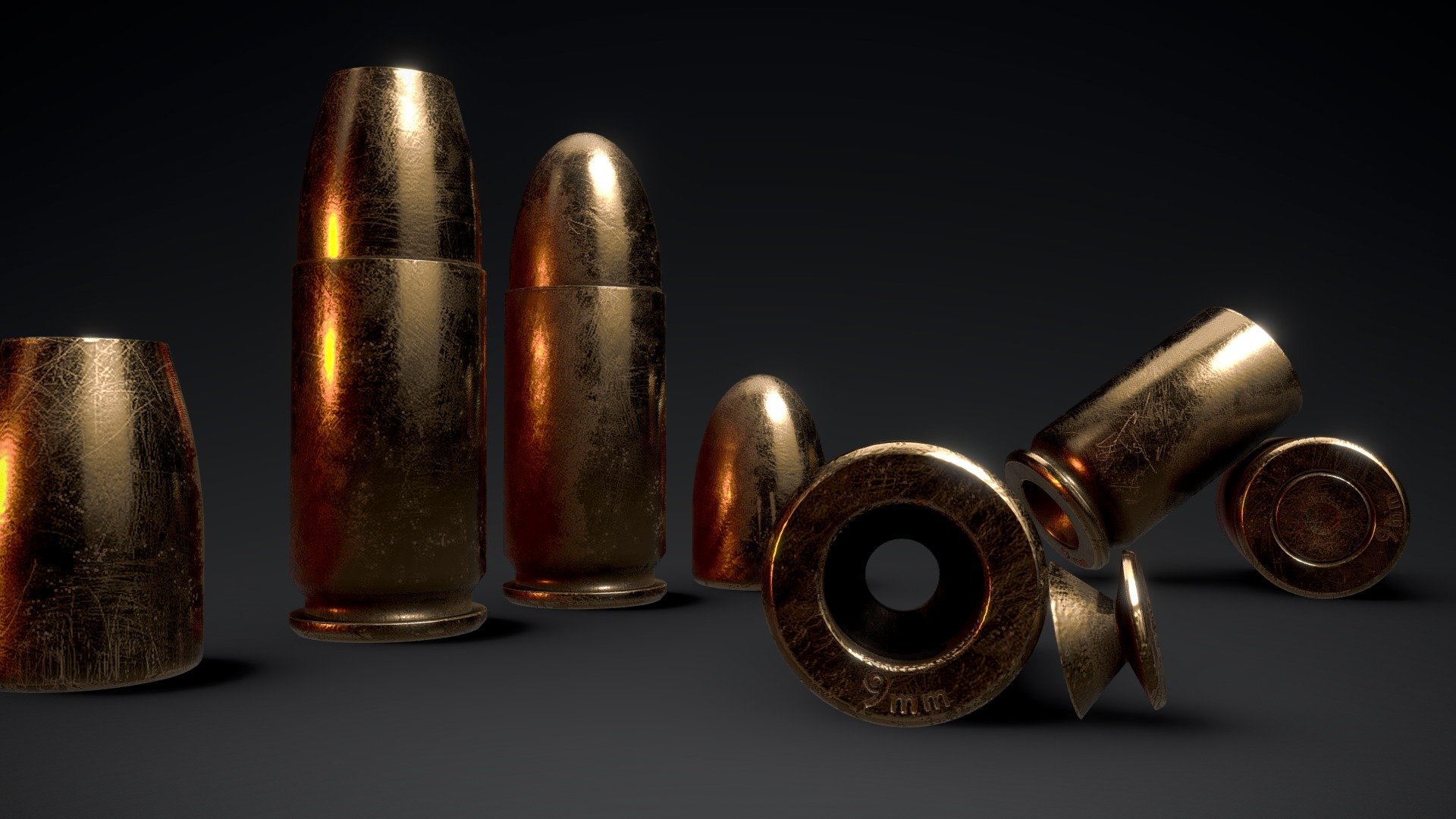
When you’re checking ammunition for sale, the headstamp on the case base and the lot number on the box are your best friends for dodging old stock. The headstamp tells you the caliber and manufacturer, but the lot number—often a mix of digits and letters—reveals the exact production run. Cross-referencing that lot number with the box’s date code or the manufacturer’s online lookup can pinpoint the year, saving you from buying rounds that sat on a shelf for a decade. Old powder and primers degrade, so a fresh lot means reliable ignition. Look for the “MFG” or a two-digit year stamp, and if the lot number looks faded or handwritten, treat it as a red flag. Reading headstamps and lot numbers to avoid old stock is a quick habit that keeps your ammo consistent and your shooting session frustration-free.
Always verify the headstamp’s maker and the lot number’s date code—fresh lot numbers equal peace of mind, while mismatched or vague stamps scream “skip me.”
Sealed Tins vs. Cardboard Boxes: Which Preserves Your Rounds Better
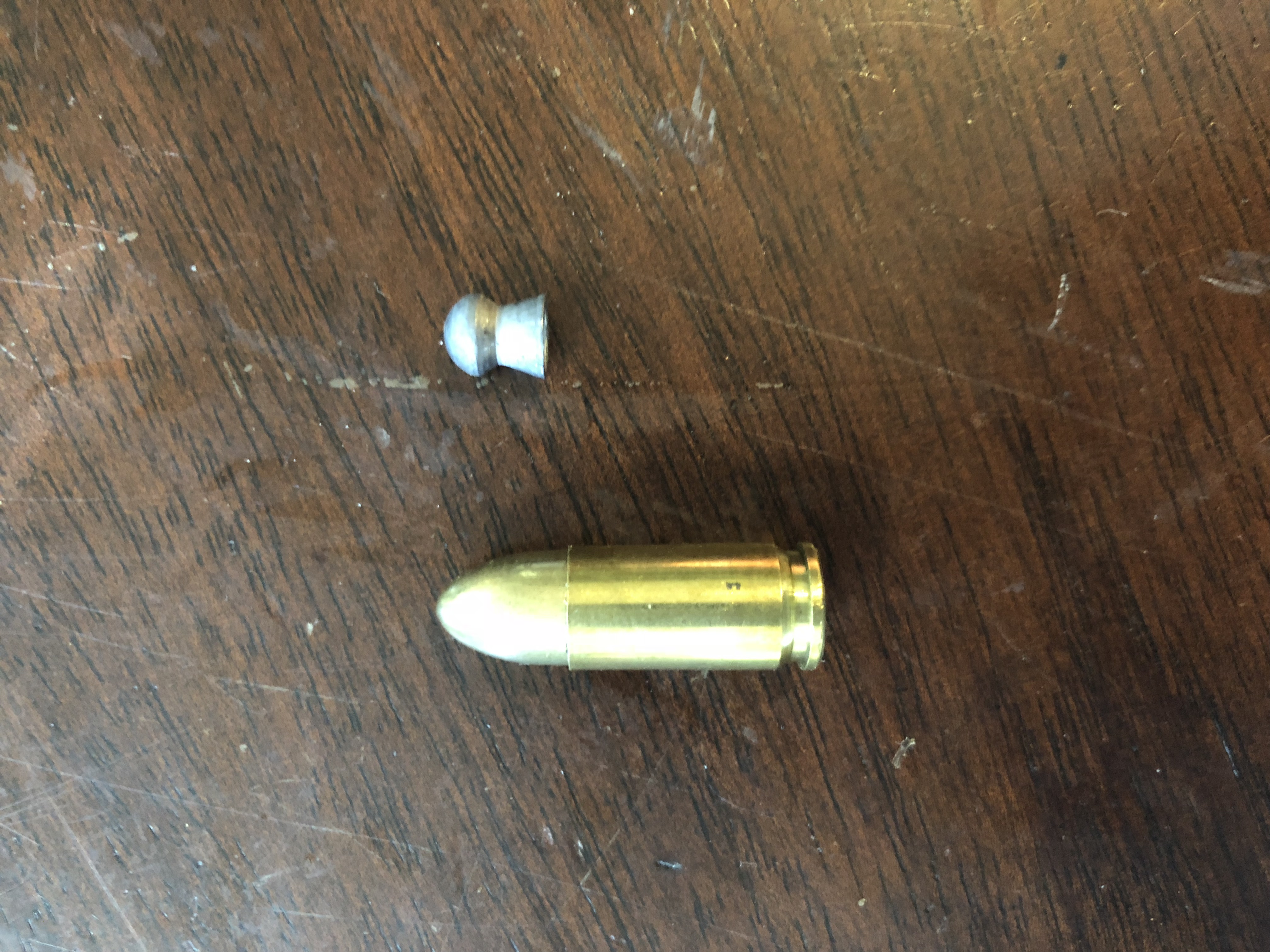
When assessing sealed tins vs. cardboard boxes for ammunition preservation, the primary difference is moisture exclusion. A sealed tin, often with a rubber gasket, creates an impermeable barrier against humidity, making it superior for long-term storage or corrosive environments. Cardboard boxes breathe, allowing trapped atmospheric moisture to reach primers and cases, which accelerates oxidation over months. For rounds you plan to shoot within a season, cardboard is fine, but for stockpiling, transfer loose rounds into a sealed tin with a desiccant pack. The tin’s advantage only matters if you reseal it properly after each opening, since ambient air exposure negates the seal.
- Cardboard boxes absorb ambient humidity and can wick moisture onto brass.
- Sealed tins prevent air exchange, slowing primer degradation and case tarnishing.
- Cardboard is lighter and easier to inventory, but tins offer crush-proof protection during transit.
- Once a tin is opened, its preservation advantage drops to near cardboard levels without a dry storage environment.
What to Check Before You Load Your Magazine or Cylinder
Before loading any magazine or cylinder with ammunition you’ve purchased, inspect each round for physical integrity and dimensional consistency. Check that the bullet is seated firmly and doesn’t wobble or push back into the case, since loose projectiles from bulk or discounted sales can cause feed jams. Verify the primer is flush and free of cracks or strikes, and examine the case mouth for splits, dents, or corrosion—these defects are common in overrun or remanufactured stock. Measure cartridge overall length against your firearm’s spec, especially with mixed lots, as out-of-spec rounds may not chamber or index correctly. Also confirm headstamp and caliber match your gun’s markings, and feel for rough rims that could catch in a revolver’s cylinder.
If any round fails visual or tactile inspection, set it aside—reliability is built before loading, not after a malfunction.
Measuring Case Length and Checking for Corrosion or Dents

Before loading purchased ammunition, measure case length and inspect for corrosion or dents to ensure safe chambering. Use a caliper to verify each case falls within the manufacturer’s specified trim-to length; oversized cases can raise specialty sports & supply pressure, while undersized ones reduce accuracy. Visually rotate every round under direct light, checking for green or white crusting on brass, which signals oxide weakening. Dents near the shoulder or mouth may prevent proper seating in the cylinder or magazine. Run a fingertip along the case body—any sharp crease or pitting warrants discarding. For mixed headstamps, prioritize rounds with uniform lengths, since inconsistent OAL can cause feeding failures. If you find corrosion, separate those rounds immediately; do not fire suspect ammunition.
Simple Drop Tests to Spot Misfeeds or Weak Primer Seating

Before trusting bulk ammunition for sale, a simple drop test reveals both misfeed risks and weak primer seating. Hold a single cartridge vertically, bullet-up, and let it fall one inch onto a hard surface; a firmly seated primer stays flush, while a weak one may protrude slightly or click audibly. Then, drop it into your firearm’s chamber or magazine funnel—if it hangs, catches, or refuses to settle, the case rim or bullet profile is out of spec, forecasting jams. Repeat with ten random rounds from your box; consistent failures signal poor manufacturing. Drop-testing every new batch takes under a minute and protects your range session.
Q: How can a drop test identify weak primer seating?
A: Drop the round primer-down onto a towel-covered bench from six inches; a properly seated primer produces a solid thud, while a weak one emits a duller, softer tap, often accompanied by slight movement of the primer cup.
Where to Store Your Purchased Rounds for Maximum Shelf Life
For purchased ammunition, maximum shelf life begins with climate-controlled storage—keep rounds between 55–75°F. Choose a cool, dry location like an interior closet or basement shelf, never an attic or garage where humidity spikes. Ammo cans with rubber gaskets are the gold standard; add desiccant packs to absorb residual moisture. Always store rounds off concrete floors—use wooden pallets or shelving to prevent condensation wicking through the packaging. Avoid direct sunlight, which degrades primers and powder. Rotate your stock—new purchases go to the back, older rounds to the front—so you shoot the oldest first. Seal opened boxes in zip bags with oxygen absorbers if you live in a humid climate. Properly stored, factory-new rounds remain reliable for decades; your investment in ammunition for sale only returns value if you protect it correctly.
Ideal Temperature and Humidity Levels for Long-Term Ammo Storage
For maximum shelf life of purchased rounds, maintain a consistent storage temperature between 55°F and 70°F; thermal cycling above this range accelerates powder degradation and primer compound breakdown. Relative humidity is the critical variable, with ideal humidity for long-term ammo storage holding steady between 30% and 40%. Above 50% humidity risks moisture absorption into the brass, causing corrosion and case neck brittleness, while below 20% can desiccate sealants and crack stock primers. Always use a hygrometer inside the safe or container; silica gel desiccants are effective, but recharge them before saturation. Avoid attics and basements where seasonal swings exceed these parameters, as condensation forms at 15°F+ temperature shifts even within the humidity range.
Using Desiccant Packs and Ammo Cans to Prevent Rust and Duds
To maximize the shelf 7mm PRC Ammo for Sale life of your purchased rounds, pairing **desiccant packs inside sealed ammo cans** is your most effective defense against moisture-induced rust and primer failure. Silica gel or clay desiccants actively absorb ambient humidity that would otherwise condense on brass and steel casings, preventing corrosion that can cause duds. Place a few packs—not just one—in each can, and check them quarterly, baking them to recharge as needed. Airtight ammo cans with rubber gaskets block external moisture, while desiccants handle internal vapor, creating a microclimate that preserves primers and propellant for decades.
Question: How often should desiccant packs be replaced?
Replace or recharge them whenever the humidity indicator—if present—changes color, or at minimum every six months, as saturated silica stops absorbing water and leaves your rounds vulnerable.